

A drug arrest in Lebanon often arrives without warning, turning an ordinary moment into a serious legal situation. What begins as a traffic stop or brief investigation can quickly lead to booking and court dates, leaving many people uncertain about what happens next. That sudden shift makes it hard to keep track of deadlines, paperwork, and early court expectations.
In Lebanon, most cases follow a structured path that includes arrest, release conditions, and initial court appearances. These initial hearings outline the charges, set timelines, and clarify the court’s requirements going forward. Although every case is different, the process usually moves faster than people expect.
In Tennessee, simple possession involves having a controlled substance without lawful authority or a valid prescription. Tennessee Code Annotated § 39-17-418 covers this offense and allows penalties even when there is no intent to sell. Speaking with a drug crimes lawyer in Lebanon early helps people understand their obligations, organize required documents, and avoid preventable setbacks.
Key Takeaways
- A drug arrest in Lebanon typically results in booking, release conditions, and an early court appearance to set charges and deadlines.
- Judges focus on compliance with bond terms and early paperwork, so missed check-ins or documents can quickly create setbacks.
- Prosecutors review police reports and lab results to determine whether cases should proceed to negotiation, trial, or possible reduction.
- Acting early to organize records and follow court instructions helps protect your options and avoid preventable complications.
What a Drug Arrest Means Under Tennessee Law
A drug arrest can trigger immediate legal obligations that affect release conditions and early court expectations. Understanding how charges are classified helps people anticipate next steps and avoid early mistakes.
How Drug Charges Are Commonly Classified
Courts usually separate cases based on simple possession or allegations of intent or distribution, which sets the tone for prosecution. Substance type and quantity also influence the severity of the charge, especially when higher amounts indicate broader activity. These details often affect bond conditions, supervision requirements, and early compliance duties. Knowing this structure helps people prepare as cases move forward.
What Happens Between Arrest and Formal Court Processing
After an arrest, officers prepare reports and evidence summaries that describe the events and materials collected. Prosecutors then review these records to confirm charges and decide how cases proceed. Early paperwork often shapes negotiations, timelines, and future court strategy. Careful review at this stage helps prevent small issues from becoming larger problems.
Where Drug Arrest Cases From Lebanon Are Handled
Drug-related arrests in Lebanon are processed in local county courts, which manage criminal proceedings. Understanding which courts handle these cases and how local procedures operate helps ensure timely filings and compliance.
Wilson County Courts and Local Case Processing
- Cases from Lebanon are handled within Wilson County courts, which oversee criminal matters.
- Proceedings are centered at the Wilson County Criminal Justice Center, including intake and hearings.
- General Sessions and Criminal Court matters, including first appearances and arraignments, are held at this facility.
Why Local Procedure Matters
- Court calendars and docket volume vary by county, affecting scheduling and case flow.
- Judges apply consistent expectations within their jurisdiction, shaping case management.
- Local scheduling practices often determine how quickly cases progress and when hearings are set.
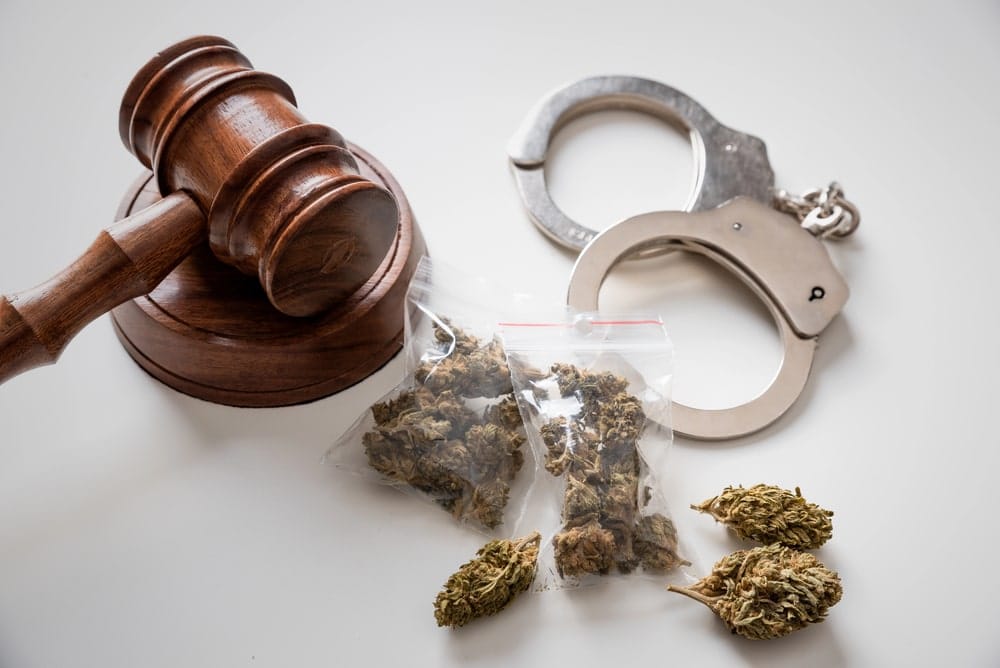

What Happens Immediately After the Arrest
After an arrest, events move quickly as paperwork begins and release decisions follow. Knowing what happens during these early steps helps people stay focused and prepared.
Booking, Release Conditions, and Bond Basics
Booking starts with identification and intake at the detention facility, where personal details and fingerprints are recorded. A magistrate or judge then sets bond amounts and outlines release conditions based on the charge and circumstances. Common requirements may include check-ins, travel limits, or added supervision while the case remains pending. Following these conditions closely helps avoid complications before the first court date.
The First Court Date and What It Covers
At the first hearing, charges are formally stated, and the next court dates are assigned. Judges also review release conditions and may adjust requirements based on compliance or new information. This appearance gives people a clearer picture of timelines and expectations. Careful attention at this stage helps keep cases on track.
Legal Authority Behind the Arrest Process
Arrest authority shapes how cases begin and what rights apply during early contact with police. Knowing this framework helps explain why arrest details matter later.
When Officers Can Make an Arrest Without a Warrant
Tennessee law allows officers to arrest without a warrant when an offense happens in their presence. Officers may also arrest when there is reasonable cause to believe a felony occurred. Understanding this authority helps people recognize how arrests legally begin.
Why This Matters for Drug Cases
The legal basis for an arrest can affect later challenges and case direction. Reasonable cause language often becomes a key focus during review and motion practice. Early arrest details may also influence negotiations or trial strategy. Careful evaluation at this stage helps protect options moving forward.


What the Case Looks Like After the First Appearance
After the initial appearance, the case moves through formal procedures, with evidence review and early preparation shaping potential outcomes. This stage sets the direction of the case and shapes how both sides prepare for what comes next.
Evidence Review and Case Development
- Police reports and lab test results are carefully evaluated by the prosecution.
- Prosecutors assess whether the charges align with the available evidence and applicable law.
- Defense preparation begins, including investigation, witness review, and the establishment of timelines for filings and hearings.
Common Paths a Case May Follow
- Negotiated resolutions, such as plea agreements, may be considered depending on evidence and circumstances.
- Trial preparation is pursued when a resolution cannot be reached through negotiation.
- In limited situations, charges may be reduced or dismissed based on evidence, procedural issues, or other factors.
Moving Forward After a Drug Arrest
After an arrest, progress depends on compliance, preparation, and clear communication with the court. Guidance from a Tennessee drug lawyer or drug charge defense attorney often helps people stay organized during this stage.
A Missed Bond Check-In and How Courts Respond
For example, someone may be released on bond after a traffic stop leads to a possession charge, only to miss a required check-in because of a work shift they could not change. At the next court date, the judge reviews their compliance history before deciding whether to issue a warning or tighten release conditions. This often surprises people who assumed the court would be flexible over what felt like a minor scheduling conflict.
What Judges Usually Look For
Judges often consider whether the issue appears isolated or part of a pattern. They also review the effort to follow instructions and preparation between court dates. Consistent follow-through shows responsibility and helps rebuild trust with the court. A Lebanon drug crimes lawyer familiar with Wilson County criminal defense procedures can help present records clearly and keep cases on track.
Contact a Drug Crimes Lawyer in Lebanon
After an arrest, cases often move from booking and bond into structured court proceedings within Wilson County’s criminal court system. Judges focus on compliance, evidence development, and whether release conditions are followed as cases progress. Clear expectations about court dates, bond terms, and documentation help prevent costly setbacks.
While every situation is different, preparation and consistency often shape how these matters unfold. Early guidance helps people organize records, meet deadlines, and respond confidently. Our firm supports clients through each phase, helping them stay focused on long-term resolution and stability.
At Lannom and Williams, we understand how overwhelming these situations can feel and how quickly they can affect your future. Our team reviews the facts, explains your options, and protects your rights at every stage. We focus on clear guidance and careful preparation when decisions must be made quickly. Contact us today or call (615) 444-2900 to speak with a trusted local drug crimes attorney and get support right away.