
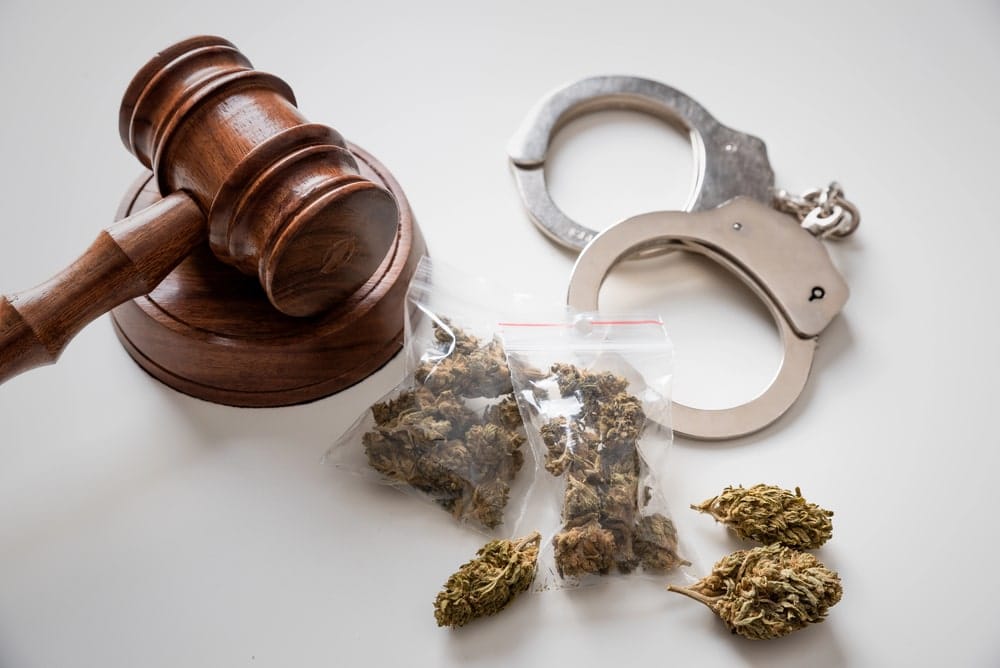
Can a simple drug possession arrest in Tennessee really lead to jail time or long-term consequences? Many people assume possession charges are minor, but Tennessee drug possession penalties depend on the type of substance involved, the circumstances of possession, and how law enforcement interprets control or access under state law. What seems like a small mistake can quickly turn into a life-altering legal problem.
Tennessee law allows charges to escalate based on specific facts that are often misunderstood. Under Tenn. Code Ann. § 39-17-418, it is unlawful to knowingly possess or casually exchange a controlled substance without a valid prescription, even when there is no allegation of intent to sell or distribute. These distinctions explain why early decisions after an arrest carry lasting consequences.
This guide explains how Tennessee defines possession, what factors increase penalties, and what steps matter most after an arrest. It also shows when guidance from a drug crimes lawyer in Lebanon becomes critical to protecting your rights. Understanding the process early helps individuals make informed decisions and avoid unnecessary damage to their future.
How Tennessee Defines Drug Possession
Tennessee defines drug possession using legal standards that focus on control, awareness, and surrounding circumstances. These definitions determine how charges are classified and how serious the consequences may become.
Simple Possession Versus More Serious Charges
Simple possession usually involves allegations tied to personal use rather than commercial activity and is generally charged as a Class A misdemeanor under Tennessee law. There is typically no evidence of selling, delivering, or manufacturing controlled substances. Charges at this level are generally lower than those for offenses involving distribution or production, but they can still carry jail time, fines, and a permanent criminal record. Classification directly affects jail exposure, fines, and eligibility for alternative outcomes.
What “Possession” Means in Practice
Possession can involve substances found on a person, inside clothing, bags, or areas of a vehicle. Drugs located in places under a person’s control may also trigger charges. Shared spaces often create disputes over ownership and responsibility. In contested cases, knowledge and control remain central legal issues.

Factors That Influence Penalty Severity
Drug charges vary widely in severity, and understanding how courts and prosecutors evaluate each case can help defendants anticipate potential consequences. Penalties depend on both the type of substance and the context of possession.
Type of Drug and Classification
- Drugs are categorized based on perceived danger, abuse potential, and statutory classification.
- Higher-risk substances carry more severe criminal penalties and mandatory minimums.
- Classification determines charge level, sentencing exposure, and long-term legal impact.
- Early consultation with counsel helps navigate potential sentencing implications.
Quantity and Circumstances
- The amount of the substance possessed can influence whether charges are misdemeanors or felonies.
- Prosecutors consider packaging, storage methods, and surrounding items.
- Even small quantities can trigger felony charges if surrounding circumstances suggest intent to manufacture, sell, or deliver the substance.
- Proper legal guidance ensures contextual factors are presented accurately to the court.
When Drug Possession Becomes a Felony
Drug possession charges can escalate to felony level when circumstances suggest more than personal use. These cases carry harsher penalties and long-term consequences that require careful legal attention.
Intent to Sell, Deliver, or Manufacture
Felony charges often arise when allegations shift from possession to intent-based offenses. The focus moves to purpose and behavior, not just the presence of substances. Under Tenn. Code Ann. § 39-17-417, possession with intent to manufacture, sell, or deliver is treated as a serious offense. Prosecutors rely on surrounding facts to support this classification.
Evidence Commonly Used to Argue Intent
Law enforcement often points to packaging materials, scales, cash, or transaction-related items. Statements, messages, or observed conduct may also be used to suggest distribution activity. No single item usually determines intent on its own. Instead, authorities rely on a combination of factors to build their case.
Enhancements That Increase Exposure
Certain factors can increase penalties beyond standard possession charges. These enhancements often raise exposure without being immediately obvious after an arrest.
Location-based Enhancements
Penalties may increase depending on where the alleged offense occurred. Certain protected areas trigger higher punishment levels under Tennessee law. These locations can include schools, parks, or other restricted zones. Location issues are often overlooked early, making careful review essential.
Other Aggravating Factors
Prior drug-related convictions can significantly increase sentencing exposure. Multiple charges arising from one incident may also compound penalties. Allegations involving minors or repeated conduct raise additional legal risks. Careful evaluation by a criminal defense attorney helps identify and challenge these aggravating claims.
Sentencing Consequences and Long-Term Impact
Certain drug offenses carry enhanced penalties when committed in designated drug-free zones. Understanding these enhancements and collateral consequences helps defendants anticipate both immediate and long-term effects.
Drug-Free Zone Enhancements
- Tenn. Code Ann. § 39-17-432 allows certain felony drug offenses, particularly those involving sale or intent to sell, to receive enhanced penalties when occurring within designated drug-free zones.
- Enhancement can apply regardless of drug type or quantity when statutory requirements are met, but typically requires felony-level conduct such as sale or intent to sell.
- Can significantly increase sentencing exposure, including longer prison terms or higher fines.
- Courts apply these rules to encourage compliance with statutory restrictions and protect sensitive areas.
Collateral Consequences Beyond Court
- Employment opportunities and professional licensing may be restricted.
- Housing eligibility and educational prospects can be affected by felony convictions.
- Firearm possession limitations and background check implications extend long after sentencing.
- Long-term consequences often persist even after sentence completion, emphasizing the importance of early legal guidance.


What To Do After a Drug Possession Arrest
The actions taken immediately after a drug possession arrest can shape the entire case. Early decisions affect evidence, court obligations, and long-term legal exposure.
Immediate Steps That Protect Your Position
Remain calm and follow instructions without arguing or resisting officers. Avoid making informal statements about the incident, even if questions seem harmless, as statements can later be used to support possession or intent allegations. Document what happened as soon as possible while details remain clear—track court dates, release conditions, and any paperwork provided.
Why Early Legal Guidance Matters
Early review helps determine whether the stop, search, or seizure followed legal requirements. Counsel can assess the strength of possession or intent claims before positions harden. A drug crimes lawyer in Lebanon can identify options that limit long-term damage. Coordinating strategy early may help limit exposure, challenge unlawful searches, and prevent charges from escalating.
Conclusion
Drug possession cases depend on how possession is interpreted, the substance involved, and whether aggravating factors apply. What may appear minor at first can escalate quickly when intent or location issues arise. Understanding how these distinctions work helps individuals respond with clarity rather than fear.
Early documentation, careful decision-making, and informed choices often shape the outcome. Minor missteps after arrest can carry lasting consequences if left unaddressed. Acting promptly and strategically gives individuals the best chance to protect their future.
At Lannom and Williams, we understand how overwhelming drug possession charges can feel and how quickly they can threaten your future. Our legal team takes the time to review the facts, explain your options, and protect your rights at every stage of the process. We focus on clear guidance and careful preparation when decisions must be made quickly. Contact us today or call (615) 444-2900 to speak with a trusted defense lawyer in Lebanon and get the support you need right away.