
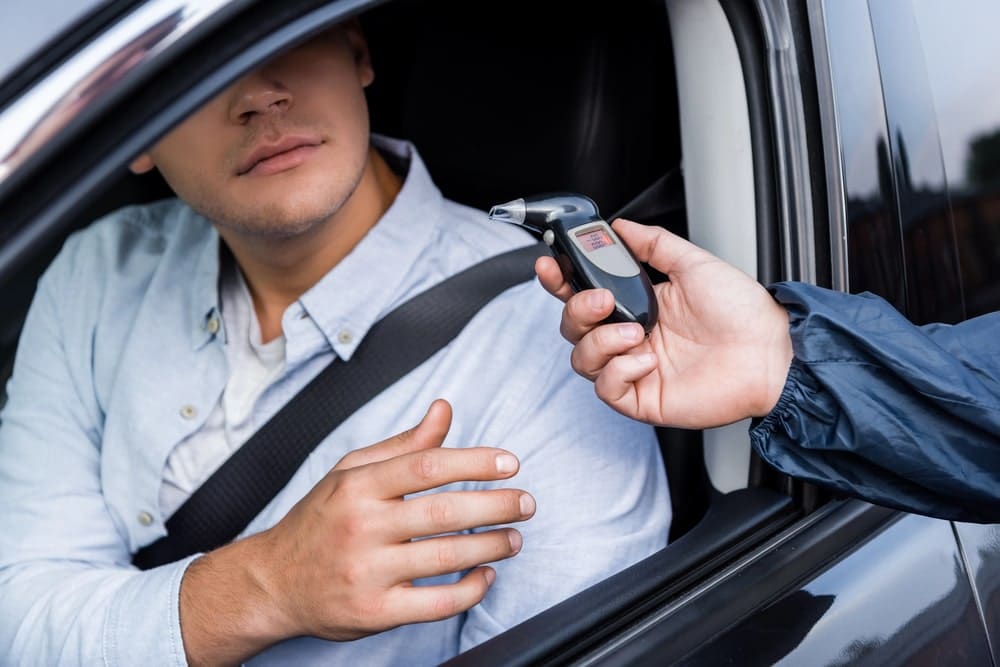
Have you ever wondered what really happens if you refuse a breath test in Tennessee? Yes, you can refuse, but that decision carries legal consequences that begin quickly and often before drivers expect them. Tennessee law treats driving as implied consent to chemical testing after a lawful DUI arrest.
Refusing a test does not prevent a DUI case from moving forward in court. Prosecutors may rely on officer observations, field sobriety results, and other evidence gathered during the stop. At the same time, administrative license action may begin even before the DUI charge is resolved.
Many drivers underestimate how quickly refusal consequences can take effect. License penalties can move forward on a separate track from the criminal case. Working with experienced DUI attorneys in Lebanon early helps protect both driving privileges and long-term interests.
Key Takeaways
- You can refuse a breath test in Tennessee, but refusal triggers automatic license suspension under the implied consent law.
- A DUI charge can still proceed based on officer observations and other evidence, even without a BAC result.
- License penalties for refusal proceed separately from the criminal DUI case and may begin quickly.
- Early action is important because court dates and license consequences often unfold quickly.
When Police Can Request A Breath Test
Officers cannot require a breath test without a lawful basis tied to a DUI investigation. The authority to request testing develops only after specific legal conditions are met during a stop.
Conditions That Trigger The Request
An officer must first establish probable cause to believe the driver was impaired. That determination often develops through observed driving behavior, field sobriety testing, and physical signs noted during the stop. Once an arrest is made based on those findings, the breath test request becomes part of the formal investigative process.
What Implied Consent Means In Practice
Tennessee law links driving to consent to chemical testing following a lawful arrest. By operating a vehicle on public roads, drivers consent to testing of breath, blood, or urine if legal conditions are met. Although refusal is legally possible, it activates a separate penalty process because consent is tied to the privilege of driving rather than a roadside option.

What Happens If You Refuse The Breath Test
Refusing a breath test does not end the situation at the roadside or stop legal consequences from following. Instead, it adds a separate issue that moves forward alongside the DUI case.
Immediate Legal Consequences
A refusal constitutes a distinct implied-consent violation separate from the criminal charge. Since these processes are handled separately, your license can still be suspended even if the DUI charge is later reduced or dismissed. License penalties move on a separate track from the DUI case, and the length of the suspension often depends on your prior history.
Legal Authority For License Suspension
Tennessee law requires courts to impose license consequences when implied consent is violated. The revocation framework is governed by Tenn. Code Ann. § 55-10-407, which governs the application of suspension periods. These suspension periods increase when a driver has a prior DUI or refusal history, and the penalty applies to refusal rather than to specific test results.
Can Refusal Be Used Against You In Court?
Refusing a breath test does not keep the issue out of trial. Instead, it may become part of the evidence the jury considers.
How Prosecutors May Address Refusal
Prosecutors may introduce refusal as evidence during trial proceedings. They may argue that declining testing reflects awareness of potential impairment. In court, the jury may consider the refusal along with driving behavior, field sobriety results, and the officer’s observations, especially when no BAC result exists.
What Refusal Does Not Prevent
Even if you refuse, DUI charges can still move forward. The state can still build a case using observations and other evidence collected during the stop. Field sobriety performance, body camera footage, and officer testimony may still be presented, so the absence of a chemical test result does not end the case.
How Refusal Cases Are Handled In Lebanon, TN
Refusal matters follow defined procedures within the local court system. Understanding how cases move in Lebanon helps drivers respond without missing important steps.
Local Court Process In Wilson County
DUI and implied consent cases are typically handled through the Wilson County General Sessions Court. Initial appearances usually occur in Lebanon, where charges are reviewed, and scheduling begins. License-related rulings are addressed within the county system, and local scheduling practices often influence how quickly the case progresses.
Why Local Procedure Matters
After an arrest, court dates can come up quickly, leaving little time to prepare. License issues may also be addressed early, sometimes before the criminal case is resolved. Understanding how local courts operate helps drivers stay organized and better prepare for how judges apply state law in their county.

How Refusal Plays Out In Real Situations
Refusal often creates confusion because two legal tracks begin simultaneously. What appears to be a single decision can lead to separate court issues.
A Common Scenario After a Traffic Stop
A driver might be stopped in Lebanon after swerving late at night. After an arrest, the officer requests a breath test, and the driver declines. The DUI charge then proceeds in court, while a separate license-suspension issue is triggered by the refusal.
Why This Situation Creates Two Separate Issues
The DUI case centers on evidence of impairment and whether the state can prove it beyond a reasonable doubt. In contrast, the implied consent issue focuses only on whether the driver refused testing after a lawful arrest. Since both matters move separately, a result in one does not automatically resolve the other.
Practical Considerations After Refusing a Breath Test
Refusing a breath test creates immediate legal consequences that require careful attention. Since two tracks move forward simultaneously, timing and preparation are critical from the outset.
Understanding the Two-Track Process
Criminal prosecution for DUI proceeds separately from administrative license penalties. Deadlines for addressing suspension may arrive quickly and require a prompt response. A strong legal strategy should address both tracks at the same time, since early preparation can affect the outcome.
Why Immediate Action Matters
Court dates are often scheduled soon after arrest, leaving limited time to organize a defense. Evidence review should begin early to identify potential issues before hearings. License consequences may affect employment and daily mobility, and delay can narrow the options available for protection.
Contact a DUI Attorney in Lebanon
Yes, you can refuse a breath test in Lebanon, TN, but that decision carries immediate legal consequences. Refusal triggers automatic license penalties under the Tennessee implied consent law, and DUI prosecution can continue without a chemical test result.
In Wilson County, these matters move through local courts under established procedures and scheduling practices. Understanding both the DUI charge and the implied consent violation is essential after any refusal. Clear preparation and timely response often shape how these cases unfold.
At Lannom and Williams, we understand how overwhelming it can be to face a DUI charge and a license suspension simultaneously. Our DUI attorneys in Lebanon focus on protecting your driving privileges while building a strong defense in court. If you have refused a breath test or are facing DUI charges in Lebanon, it is important to act quickly. Contact us today at (615) 444-2900 to speak with an experienced DUI lawyer and protect your driving privileges before deadlines begin to pass.