
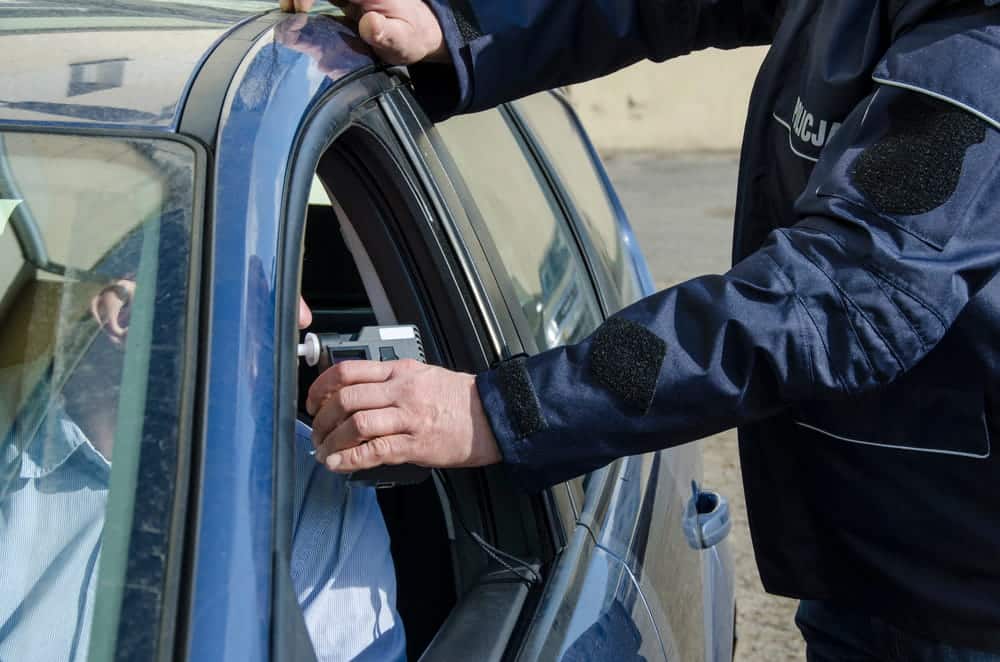
You never expect a routine drive in Lebanon, TN, to end with flashing lights in your rearview mirror, yet a DUI traffic stop can change everything in minutes. Officers observe driving, ask focused questions, and decide whether further investigation is necessary. What may feel routine at first is guided by strict legal procedures that shape what happens next.
Tennessee law prohibits driving while impaired by alcohol or drugs, which forms the basis for DUI charges. Tenn. Code Ann. § 55-10-401 explains that a DUI occurs when a person drives with a blood-alcohol level of 0.08 or higher or while impairment affects safe driving. Knowing these rules allows drivers to respond appropriately and reduce the risk of complications during stops in Wilson County.
DUI cases often progress faster than many expect, and small mistakes can affect legal and professional outcomes. Uncertainty about rights or reporting duties increases stress and can complicate the process. Working with experienced DUI attorneys in Lebanon ensures each step is handled correctly, protecting both your legal standing and future opportunities.
Key Takeaways
- DUI traffic stops in Lebanon begin with officer observations of driving behavior and potential signs of impairment.
- Drivers must provide identification, but have the right to limit responses and refuse unlawful searches.
- Refusing chemical testing can lead to license suspension and additional consequences under Tennessee’s implied consent laws.
- Early legal guidance helps protect your rights and influences how your DUI case develops in court.
Driving Behaviors That Lead to DUI Stops in Lebanon
Certain driving habits often draw police attention even during routine trips. Officers must rely on observable behavior to decide if further checks are necessary.
Traffic Violations That Trigger Police Attention
Speeding, weaving between lanes, or abrupt braking can alert officers to potential issues. These movements may suggest the driver is struggling to maintain control, and even minor traffic infractions can lead to closer observation during the stop. Officers use these cues to determine whether additional evaluation is required.
Observations That Prompt Further Investigation
Signs such as delayed reactions, slurred speech, or the smell of alcohol often influence officer decisions. Physical and behavioral indicators guide the officer on whether further testing is necessary. These observations help determine whether impairment may be affecting the driver’s ability to operate the vehicle safely. Officers carefully document these behaviors to ensure the proper next steps are taken.
DUI Cases in Lebanon Begin With a Careful Review at the Local Courts
Each step follows legal procedures that guide how the case progresses through the system.
Where Lebanon DUI Cases Are First Reviewed
- Cases are initially brought before the Wilson County General Sessions Court for review.
- Hearings address the charges, set bond conditions, and outline the next steps for defendants.
- Officers, attorneys, and the judge participate to ensure the case follows proper procedures.
- This early stage lays the foundation for how the case will proceed.
How Local Court Practices Shape Case Progression
- Court procedures and timelines can vary across courts in Wilson County.
- Judges often review how the traffic stop and investigation were conducted during initial hearings.
- These early evaluations can influence pretrial motions and the scheduling of future hearings.
- Awareness of local practices allows drivers and attorneys to prepare and respond more effectively.


Key Rights Drivers Have During a DUI Stop
Drivers have specific protections during a DUI traffic stop in Lebanon. Knowing these rights helps maintain safety and avoid unnecessary complications.
Required Identification and Optional Responses
Drivers must provide their license, registration, and proof of insurance when requested. You are not required to answer questions that could incriminate you, and remaining calm while providing only necessary information can help prevent misunderstandings. Understanding which responses are optional ensures drivers protect their legal interests.
Legal Limits on Vehicle Searches
Officers may only search a vehicle with probable cause or the driver’s consent. Drivers can refuse searches that are not legally justified under Tennessee law. Knowing when and how to assert this right helps prevent the unlawful collection of evidence. Clear communication during a stop reduces disputes and ensures your rights are respected.
Steps Officers Take During a DUI Investigation
A DUI stop in Lebanon often involves careful observation and structured procedures. Each step helps officers determine whether further action is necessary.
Field Sobriety Testing and Officer Assessment
Officers may request standardized field sobriety tests to evaluate balance and coordination. Observations during these tests guide decisions about whether additional investigation is needed. Performance, behavior, and physical cues are carefully noted to ensure accuracy and fairness. This process gives drivers a clearer sense of what to expect during a traffic stop.
Chemical Testing Requirements Under Tennessee Law
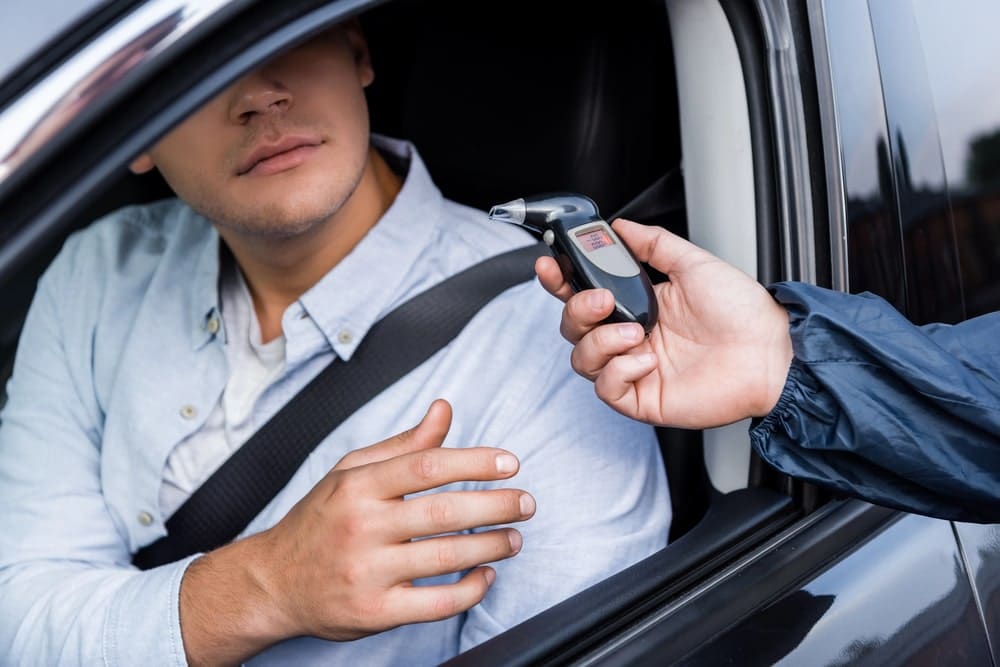
Tennessee law treats driving as implied consent to chemical testing after a lawful DUI arrest. The law outlines testing procedures, consequences of refusal, and legal obligations. Chemical test results are used alongside observations to determine if charges will move forward. Knowing these rules ensures drivers make informed decisions during the investigation process.
How Refusal or Noncompliance Impacts A DUI Case
Refusing to follow an officer’s instructions or failing to comply can significantly affect a DUI case in Lebanon. These actions may trigger immediate legal consequences.
Immediate Outcomes of Refusing Testing
- Refusal to submit to chemical testing can lead to license suspension under implied consent laws.
- Penalties may still apply even if the driver is not ultimately convicted of DUI.
- Understanding these consequences helps drivers make informed decisions during the stop.
- Early guidance from an experienced attorney can help protect legal rights and driving privileges.
How Officers Rely on Observations Without Test Results
- When testing is refused, officers rely on driving behavior, physical signs, and statements as evidence.
- The strength of the case often depends on how the stop and initial interactions were handled.
- Detailed documentation of observations can influence the charges and how the case develops.
- Knowing how these observations are used helps drivers respond more carefully during the stop.

How a Traffic Stop Can Lead to a DUI Arrest
A routine traffic stop in Lebanon can quickly escalate if driving behavior raises concern. Each decision by the driver and officer influences the next steps.
Escalation From Initial Stop to Investigation
A driver heading home late at night drifts between lanes and is pulled over. When the officer approaches, the driver hesitates while answering simple questions, which raises concern. If concerns arise, the officer may request field sobriety testing before determining how to proceed. This process ensures that any decision to escalate follows established legal and procedural standards.
Factors That Influence an Arrest Decision
Officers consider observations, driver responses, and performance on field tests when making decisions. Arrest decisions are shaped by the full context of what occurs during the stop. Each detail contributes to how the case will move forward through the Wilson County courts. Understanding these factors helps drivers and attorneys prepare for potential outcomes effectively.
Contact a DUI Attorney in Lebanon
A DUI traffic stop in Lebanon, TN, follows a structured process where officer observations, driver responses, and legal standards shape the outcome. Knowing your rights during the stop, including what must be provided and what can be declined, helps reduce uncertainty.
In Wilson County, cases move through local courts, where both the stop and the investigation are carefully reviewed. Knowing how stops begin and progress, and which laws apply, allows drivers to respond with greater awareness. Early, clear decisions often influence how the situation ultimately unfolds.
At Lannom and Williams, we understand how stressful a DUI stop or arrest in Lebanon, TN, can feel. Our experienced attorneys guide you through Wilson County court procedures, protect your rights, and help minimize complications. Contact us today at (615) 444-2900 to speak with a DUI lawyer who understands your situation. Take the next step and let our Lebanon DUI attorneys provide clear guidance and support every step of the way.